Most visitors never leave Bali's coastline, but the island's real magic lies in its volcanic highlands and terraced interior. Beyond the beach clubs and surf breaks, Bali offers ancient rice terraces, steaming volcanic craters, and jungle valleys that feel untouched by the tourism boom along the southern shore.
The Volcanic Heart of the Island
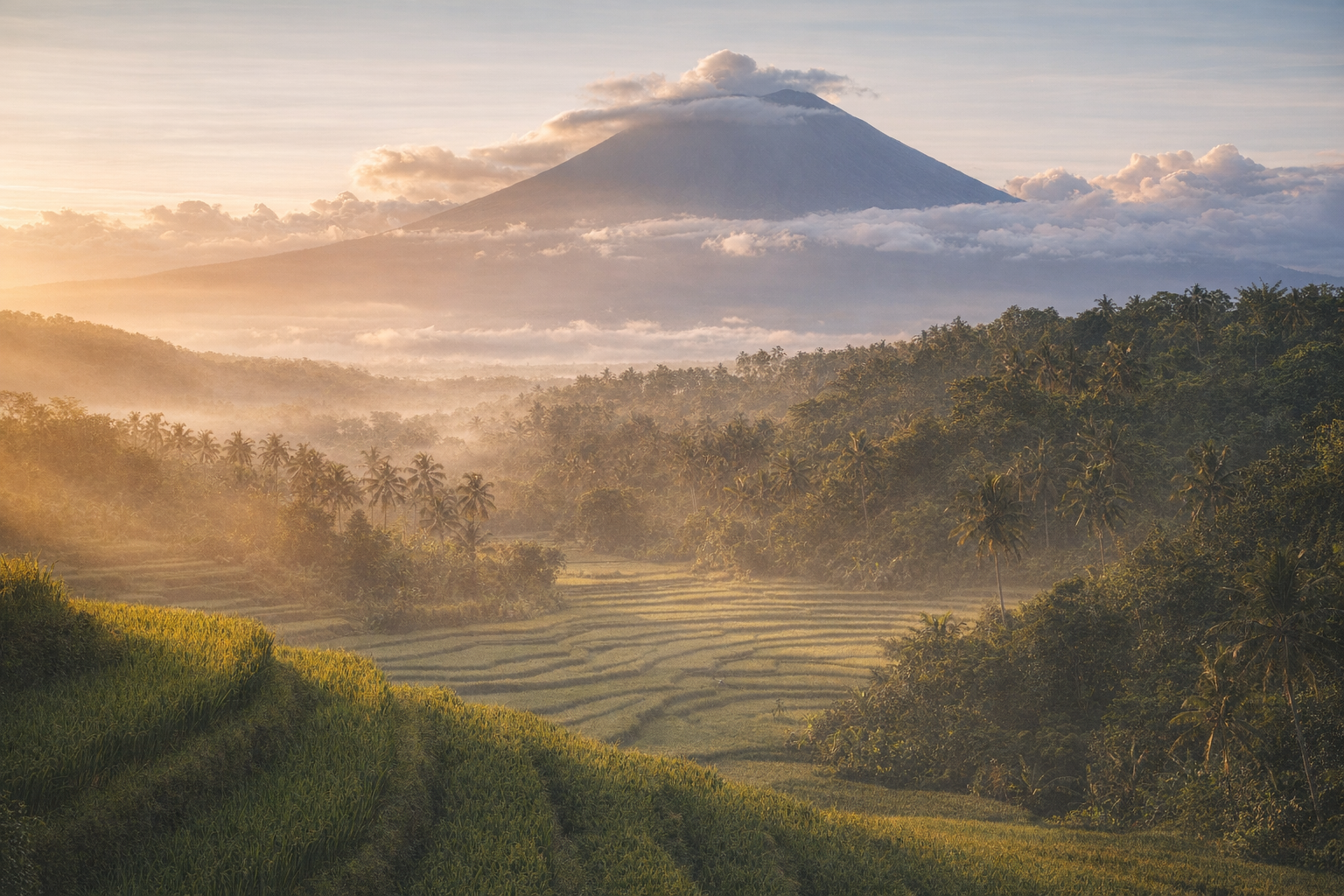
Mount Agung dominates Bali's eastern skyline at just over three thousand meters. The pre-dawn trek to its summit is one of Southeast Asia's most rewarding hikes, offering views that stretch across the Lombok Strait to Mount Rinjani on clear mornings. The trail is steep and loose in places, and a local guide is mandatory — both for safety and as a condition of the temple authorities who consider the mountain sacred.
For a less demanding volcanic experience, Mount Batur offers a shorter climb with equally stunning sunrise views. The trail starts around three in the morning and takes roughly two hours to the crater rim. Hot springs at the base make for a perfect recovery after the descent.
Rice Terraces and Rural Life
The Tegallalang rice terraces north of Ubud are the most photographed, but they are far from the only option. The Jatiluwih terraces in western Bali are a UNESCO World Heritage site and cover a much larger area with far fewer visitors. Walking the narrow paths between flooded paddies, you can hear the subak irrigation system — a thousand-year-old cooperative water management tradition — channeling water from terrace to terrace.
Spending a night in the highlands near these terraces transforms the experience. Many travellers now choose a villa holiday Bali in the interior rather than the coast, waking to views of mist rolling across green valleys rather than poolside cabanas. The pace is different here — slower, quieter, and closer to the Bali that existed before the tourist corridor was built.
Jungle Valleys and Hidden Temples
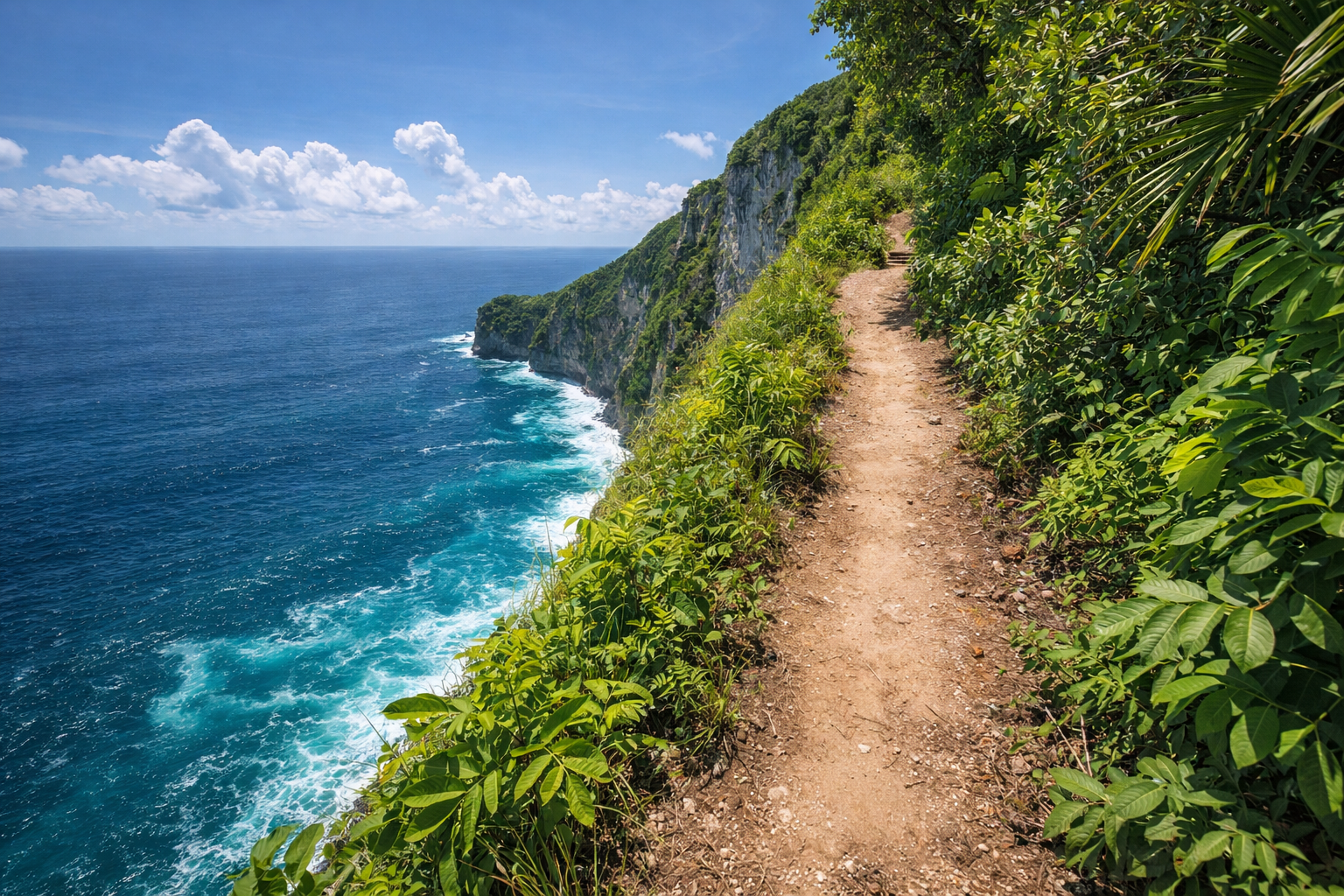
The Campuhan Ridge Walk outside Ubud is a gentle introduction to Bali's interior landscapes. The narrow trail follows a ridge between two river valleys, with tall grass swaying on either side and views of coconut palms and distant volcanoes. It is best done at sunrise before the heat builds.
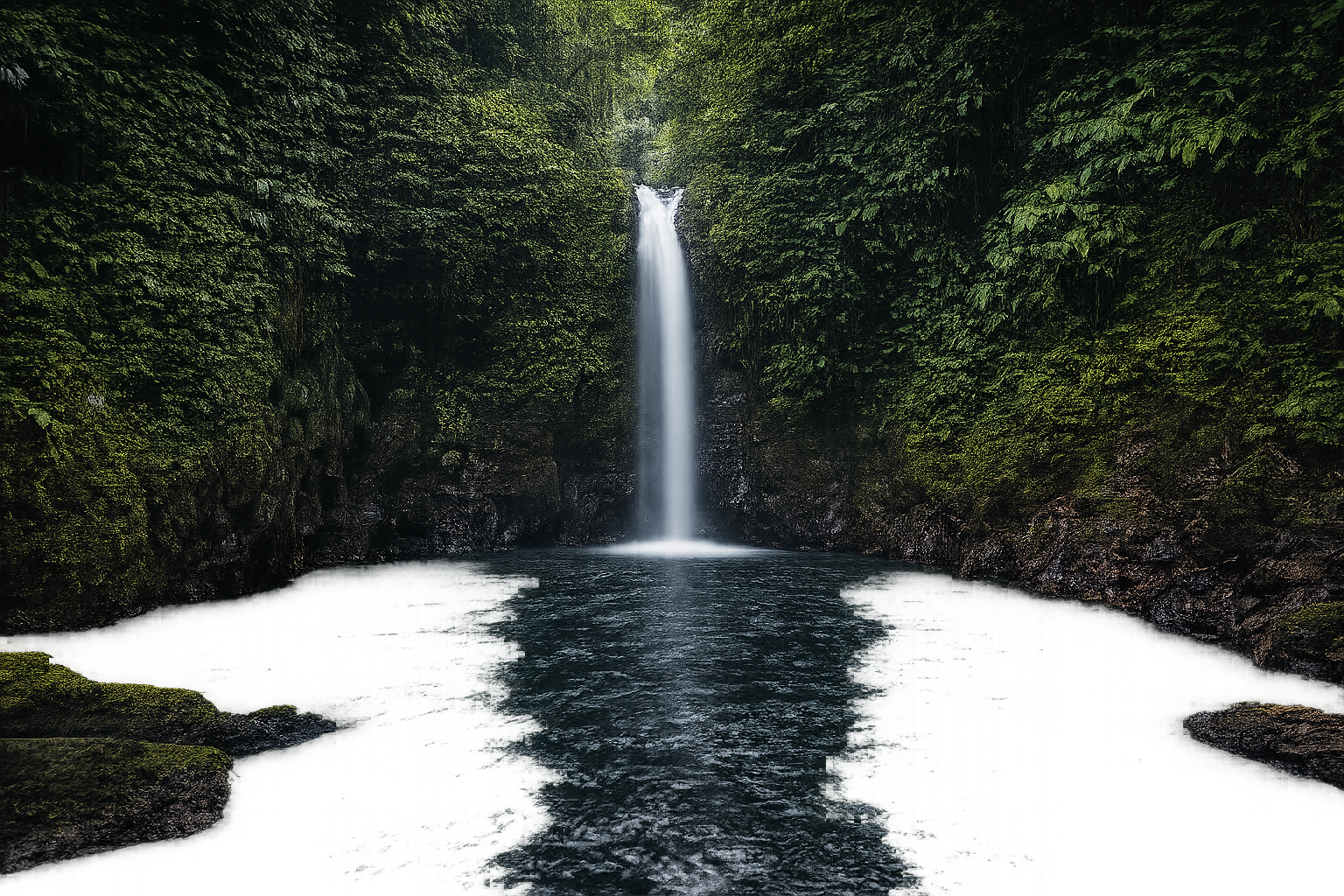
Deeper into the interior, the Sekumpul Waterfall requires a steep descent through jungle and across a shallow river. The reward is one of Bali's tallest waterfalls plunging into a natural pool surrounded by moss-covered cliffs. It is the kind of place that makes you understand why the Balinese regard their island's interior as spiritually charged.
Where to Base Yourself
Ubud remains the most practical base for exploring Bali's interior, with good road connections to the northern highlands and eastern slopes. Sidemen, a quieter village to the east, offers a more authentic experience with direct views of Mount Agung and surrounding rice fields. Munduk in the north provides access to highland lakes, coffee plantations, and waterfalls without the crowds.
Wherever you base yourself, rent a scooter or hire a driver for the day. Bali's interior roads are narrow and winding, but they connect some of the most beautiful landscapes in Indonesia. Leave the beach for a few days, head uphill, and discover the Bali that most visitors miss entirely.