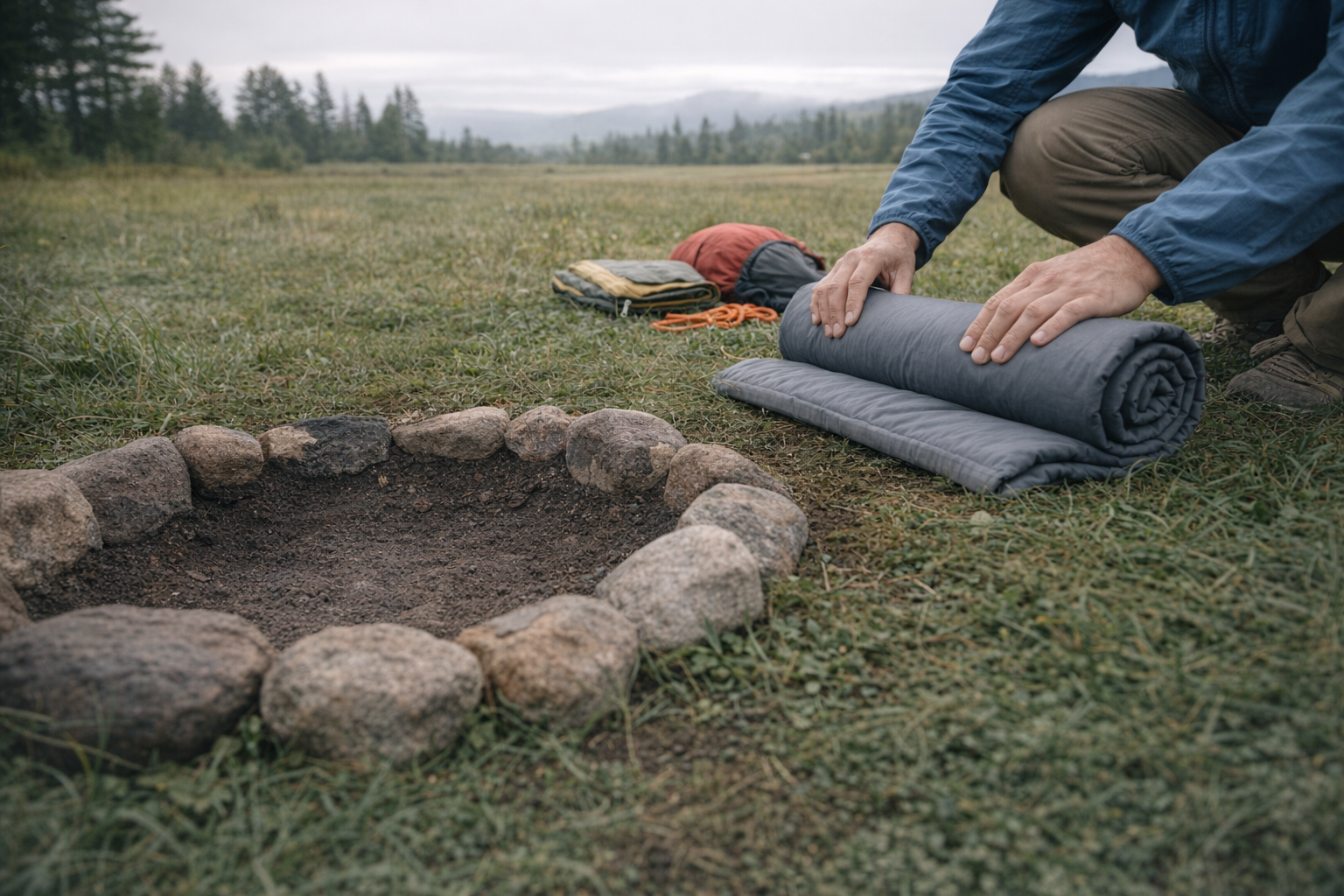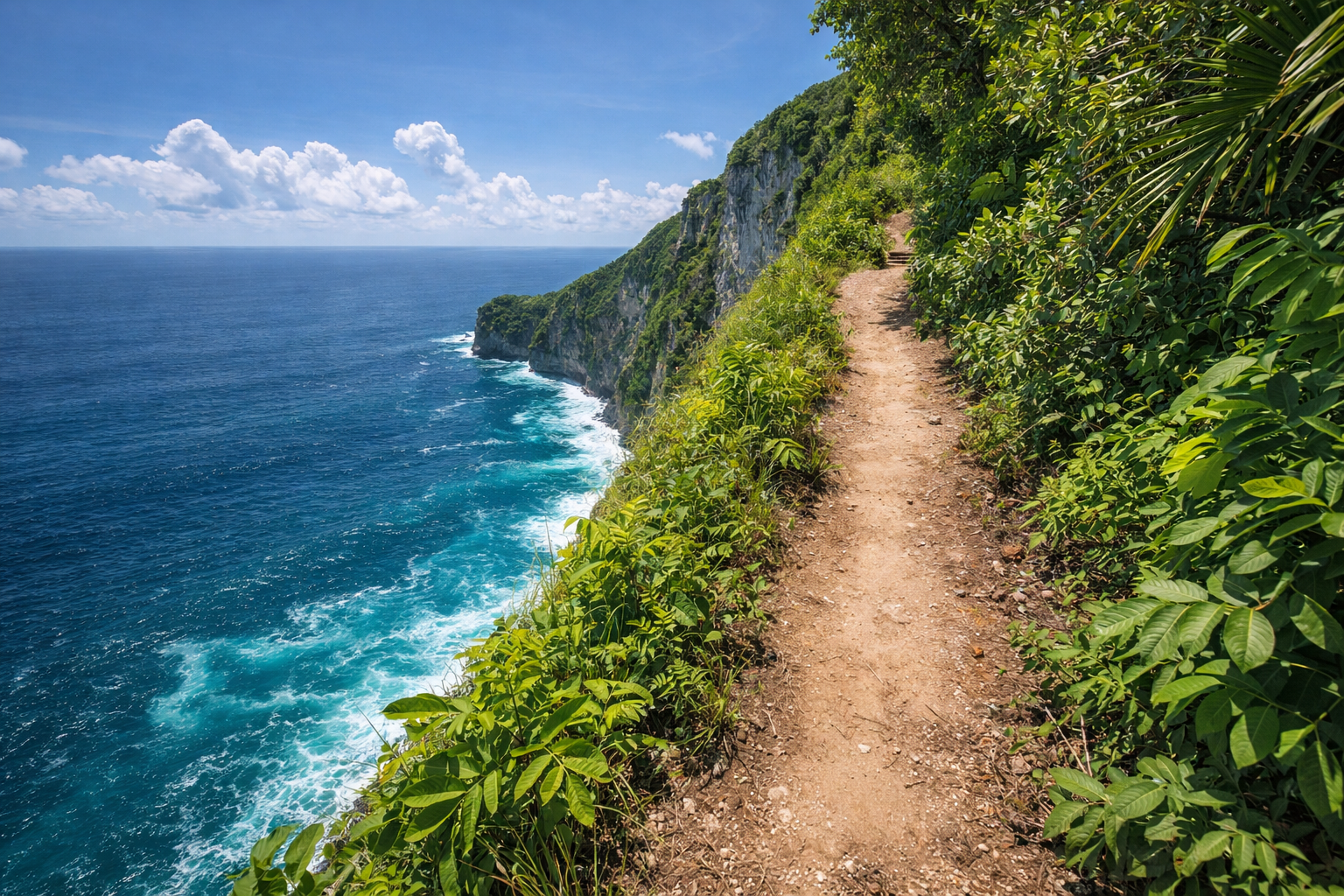
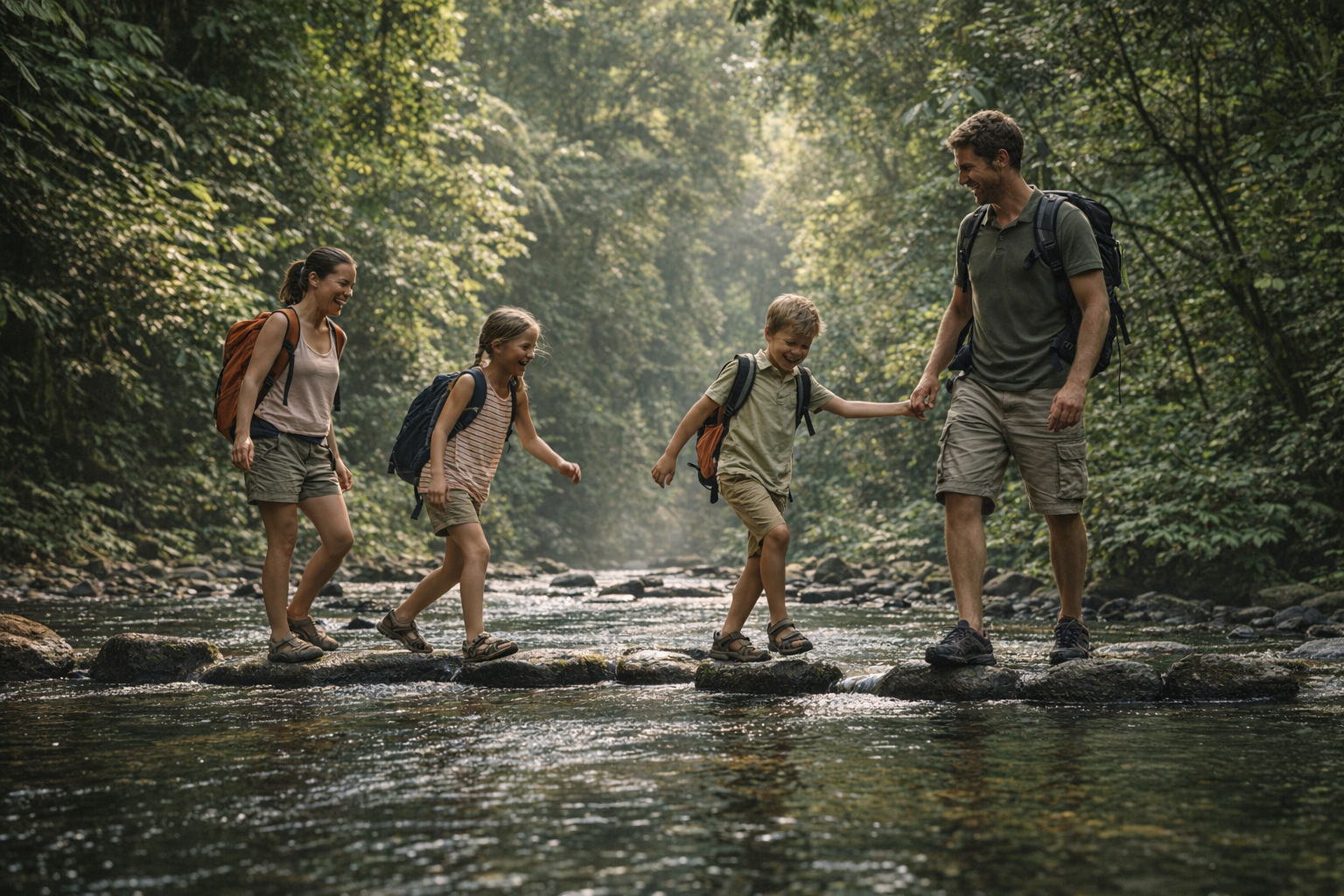
Family trips into the outdoors create bonds that no resort holiday can match. When you are pitching a tent in the rain, navigating a trail together, or cooking over a camp stove, every member of the family has a role. Those shared challenges and small victories build trust and communication in ways that a hotel pool simply cannot.
Shared Challenge, Shared Growth
The outdoors does not care about your age or your job title. On the trail, a ten-year-old can spot the path marker that the adults missed. A teenager might be the strongest paddler in the canoe. These moments of competence and contribution reshape family dynamics in healthy ways. Children learn that their input matters, and parents learn to step back and let their kids lead.
Research consistently shows that families who engage in outdoor activities together report higher levels of satisfaction and communication. The absence of screens and scheduled entertainment forces real conversation — the kind that happens naturally when you are walking side by side with nothing but time ahead of you.
Building Resilience in Children
Outdoor travel introduces children to discomfort in manageable doses. A steep hill, a cold morning, a blister on the heel — these are small adversities that teach coping skills. Kids who learn to push through minor hardships on the trail develop confidence that carries over into school, friendships, and eventually adult life.
The key is calibrating the challenge to the child's ability. A five-year-old does not need a fifteen-kilometer hike. A short nature walk with a creek crossing can be just as formative. What matters is that the child encounters something unfamiliar and works through it with the family's support.
Unplugging Together
One of the most powerful aspects of family outdoor travel is the collective digital detox. When everyone puts their devices away — parents included — the quality of attention changes dramatically. Eye contact increases. Stories get told. Inside jokes are born. These are the moments that children remember decades later, not the Wi-Fi password at the resort.
Make unplugging a family agreement, not a punishment. Frame it as an adventure within the adventure. Younger children adapt quickly; teenagers may resist at first but often end up being the most vocal advocates for the next trip.
Practical Tips for Family Adventures
Start close to home with day hikes or overnight car camping before committing to multi-day wilderness trips. Involve children in the planning — let them choose the trail or pick the campsite on the map. Pack familiar snacks alongside trail food, and build in rest time so that the experience stays enjoyable rather than becoming an endurance test.
Invest in good rain gear for every family member. Nothing derails a trip faster than a cold, wet child. And keep expectations flexible — the goal is not to summit a peak or complete a circuit. The goal is to be outside, together, paying attention to the world and to each other.
The Lasting Impact
Families who build a tradition of outdoor travel often find that it becomes the foundation of their identity. The campfire stories, the rainy hikes, the sunrise viewed from a ridge — these become the reference points for what the family values. In a culture that pulls families in a hundred different directions, the outdoors offers something simple and grounding: shared experience in a beautiful, demanding world.