The trails we love are under pressure, and every hiker shares responsibility for keeping them wild. Leave No Trace is more than a slogan — it is a set of practical principles that, when applied consistently, allow millions of people to enjoy wilderness areas without destroying what makes them special. Here is how to put those principles into real-world practice.
Plan Ahead and Prepare
Sustainable trekking starts before you leave home. Research the regulations for your destination — permit requirements, group size limits, fire restrictions, and seasonal closures. Knowing these rules prevents unintentional damage. Pack food in reusable containers to minimize packaging waste on the trail, and carry a bag specifically for trash you generate or find along the way.
Preparation also means matching your ambition to your skill level. Unprepared hikers are more likely to cut switchbacks, camp in fragile areas out of exhaustion, or require rescue operations that damage the environment. According to the World Wildlife Fund, eco-conscious travel practices are increasingly influencing how outdoor destinations manage visitor access and infrastructure development.
Travel on Durable Surfaces
Stay on established trails, even when they are muddy or flooded. Walking around puddles widens the trail and damages vegetation on either side. In areas without trails, spread out rather than walking single file to avoid creating new paths. Choose rock, gravel, or dry grass over fragile soil and vegetation whenever possible.
Campsite selection follows the same logic. Use established sites rather than clearing new ones. If you must camp in an undeveloped area, choose durable ground and move your camp daily to prevent lasting impact. Never dig trenches around your tent — this practice was abandoned decades ago for good reason.
Dispose of Waste Properly
The rule is simple: pack out everything you pack in, including food scraps, hygiene products, and toilet paper. Fruit peels and nut shells are natural, but they take months to decompose in many environments and are unsightly in the meantime. Carry a zip-lock bag for used toilet paper and feminine hygiene products.
For human waste, dig a cathole fifteen to twenty centimeters deep at least sixty meters from water, trails, and camp. In alpine or desert environments where decomposition is slow, pack out solid waste using a WAG bag. For washing, carry water at least sixty meters from the source and use biodegradable soap sparingly — even biodegradable soap harms aquatic ecosystems if it enters waterways directly.
Minimize Campfire Impact
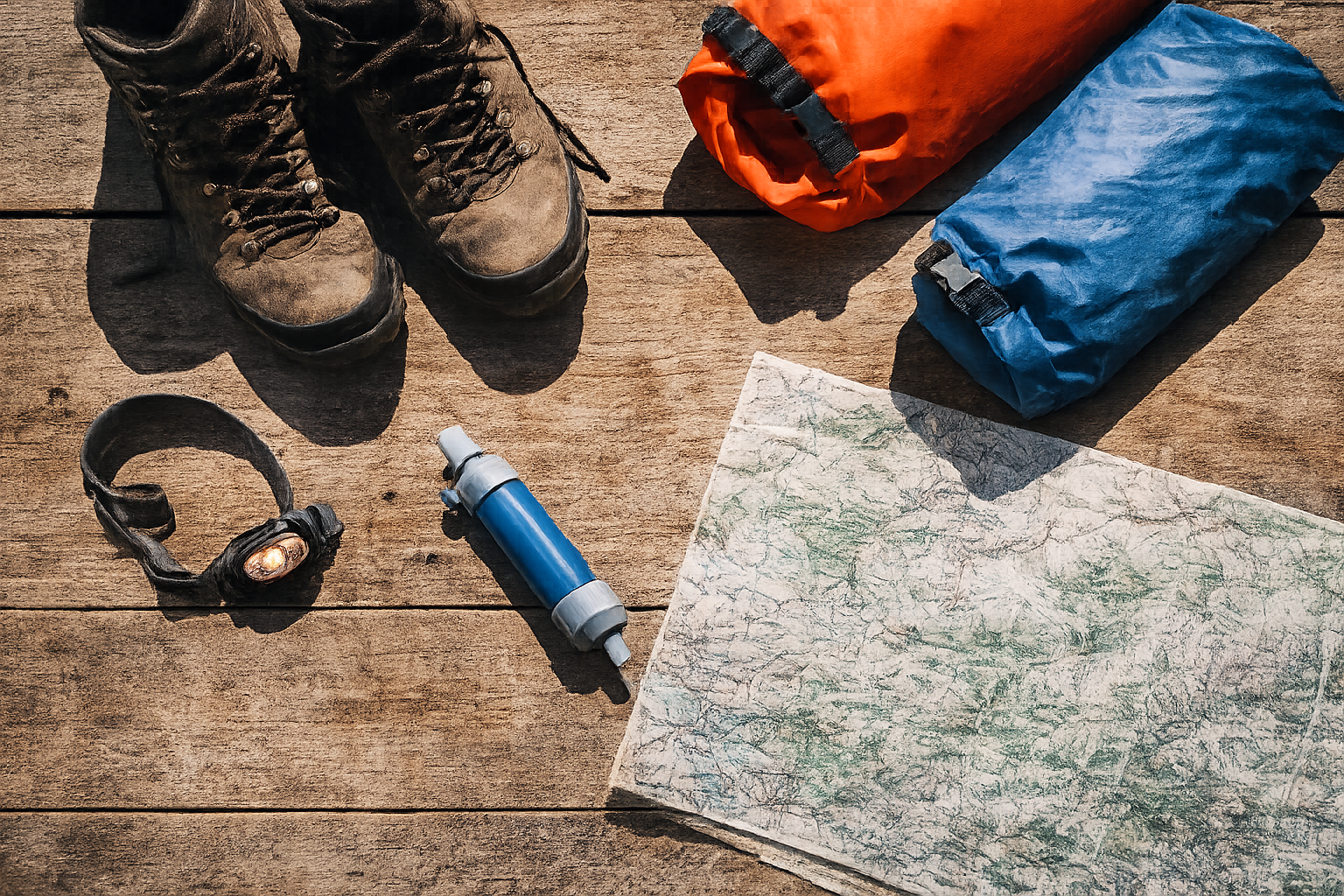
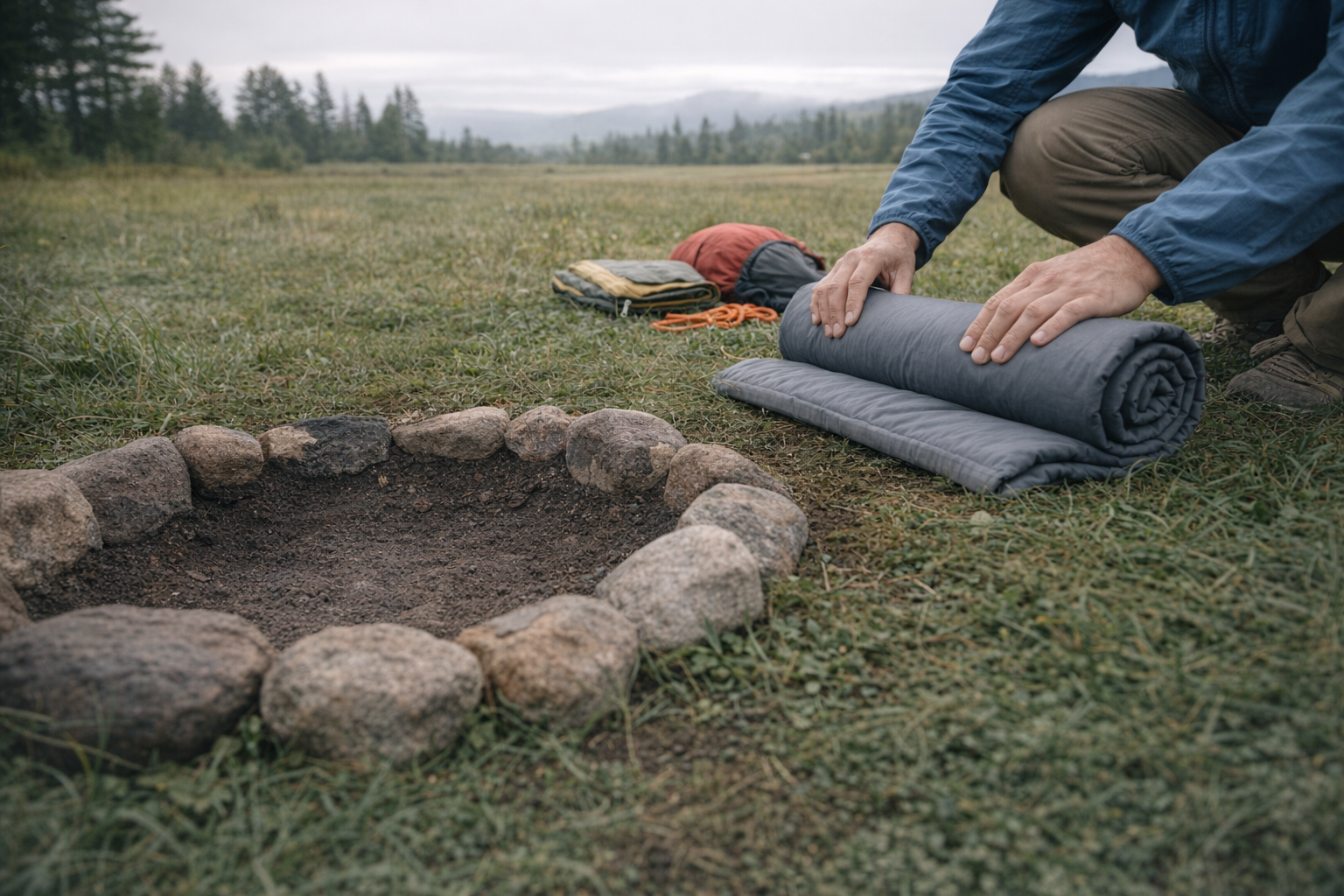
Campfires are one of the most visible forms of wilderness damage. Use a lightweight stove for cooking and a headlamp for light. If fires are permitted and appropriate, use an established fire ring, keep fires small, burn only dead wood found on the ground, and reduce everything to ash before extinguishing completely with water. Never leave a fire unattended, and never burn trash — many materials release toxic compounds and leave residue.
Respect Wildlife and Other Visitors
Observe animals from a distance and never feed them. Habituated wildlife loses its natural foraging behavior and can become aggressive. Store food in bear canisters or hang it from a line where required. Yield the trail to uphill hikers and pack animals, keep noise levels reasonable, and camp away from water sources to leave access open for wildlife.
Sustainable trekking is not about perfection — it is about consistent effort. Every time you pack out an extra piece of trash, choose a durable campsite, or skip the campfire, you are contributing to a culture of stewardship that keeps wild places wild for the next generation of hikers. The trails are a shared resource, and how we use them defines whether they survive.