Tropical trekking demands a different approach to gear than alpine or temperate hiking. Heat, humidity, and sudden downpours change everything — from the fabrics you wear to the way you pack your bag. Getting it right means the difference between an unforgettable adventure and a miserable slog through the jungle.
Footwear That Can Handle Anything
In tropical terrain, your feet will get wet. Accept that upfront and choose accordingly. Trail runners with aggressive tread and quick-drying mesh outperform heavy leather boots in hot, humid conditions. They drain faster after river crossings and dry overnight in camp. If you prefer ankle support, look for lightweight mid-cut options with synthetic uppers.
Pair your shoes with merino wool socks — they resist odor and wick moisture better than cotton or synthetic blends. Carry at least three pairs so you always have a dry set available. Gaiters are worth their weight for keeping leeches and debris out of your shoes on jungle trails.
Clothing for Heat and Rain
Cotton is the enemy in the tropics. It absorbs sweat, takes hours to dry, and promotes chafing. Opt for lightweight synthetic or merino base layers that move moisture away from your skin. Long sleeves protect against sun, insects, and thorny vegetation without adding much warmth.
A packable rain shell is non-negotiable. Tropical storms arrive fast and hit hard. Choose a jacket with pit zips or generous ventilation, because wearing a sealed rain layer in ninety-percent humidity is a recipe for overheating. Some trekkers prefer a lightweight poncho that also covers their pack.
Hydration and Water Treatment
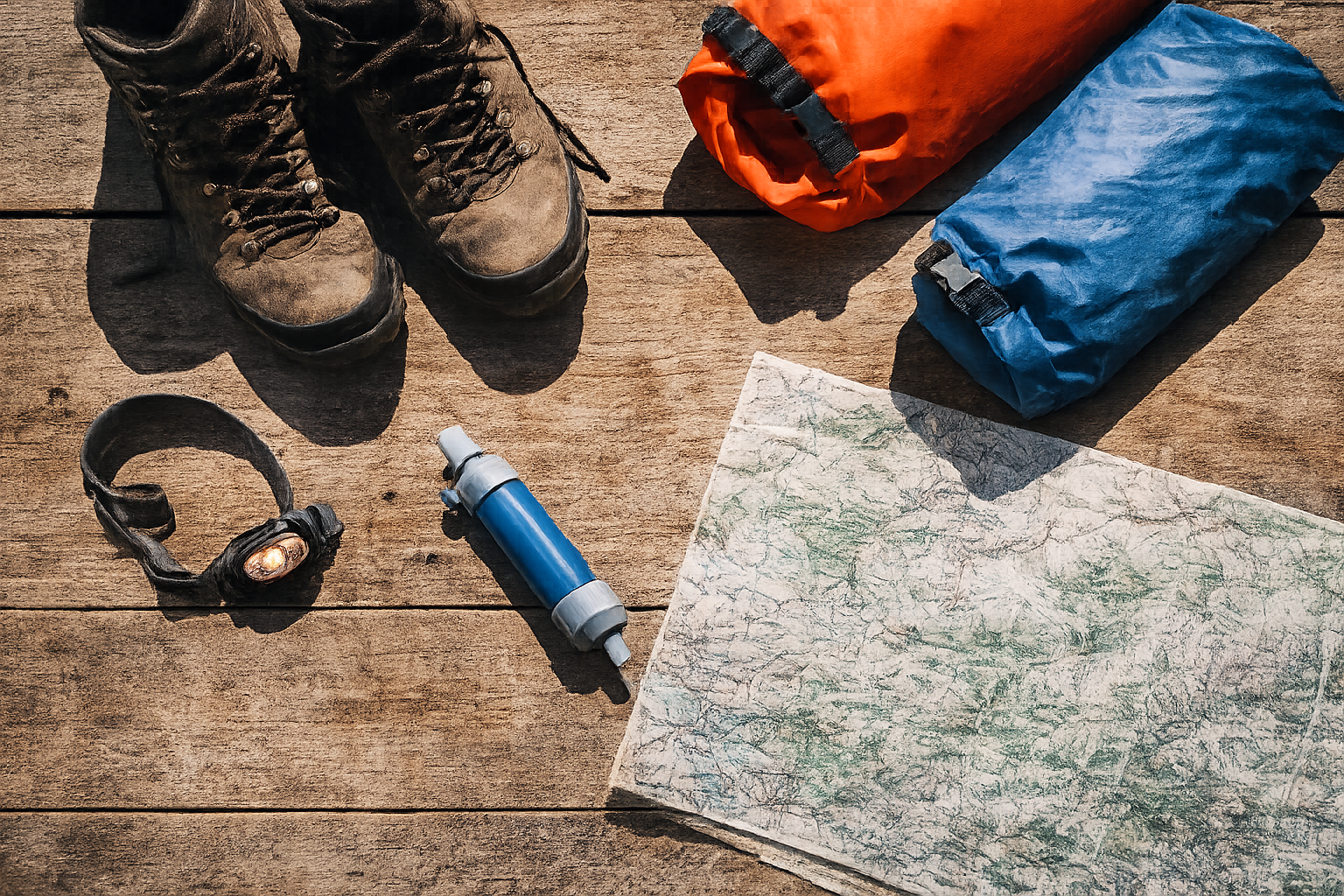
Dehydration sneaks up quickly in the tropics. You can lose two liters of sweat per hour on a steep jungle trail, and the humid air masks the sensation of sweating. Carry at least three liters of water capacity and refill at every opportunity. A gravity filter or UV purifier handles river and stream water without the chemical taste of iodine tablets.
Electrolyte tablets or powder are essential, not optional. Plain water flushes the sodium and potassium you lose through sweat, which can lead to cramping, fatigue, and in serious cases, hyponatremia. Add electrolytes to at least one liter per day.
Pack and Protection
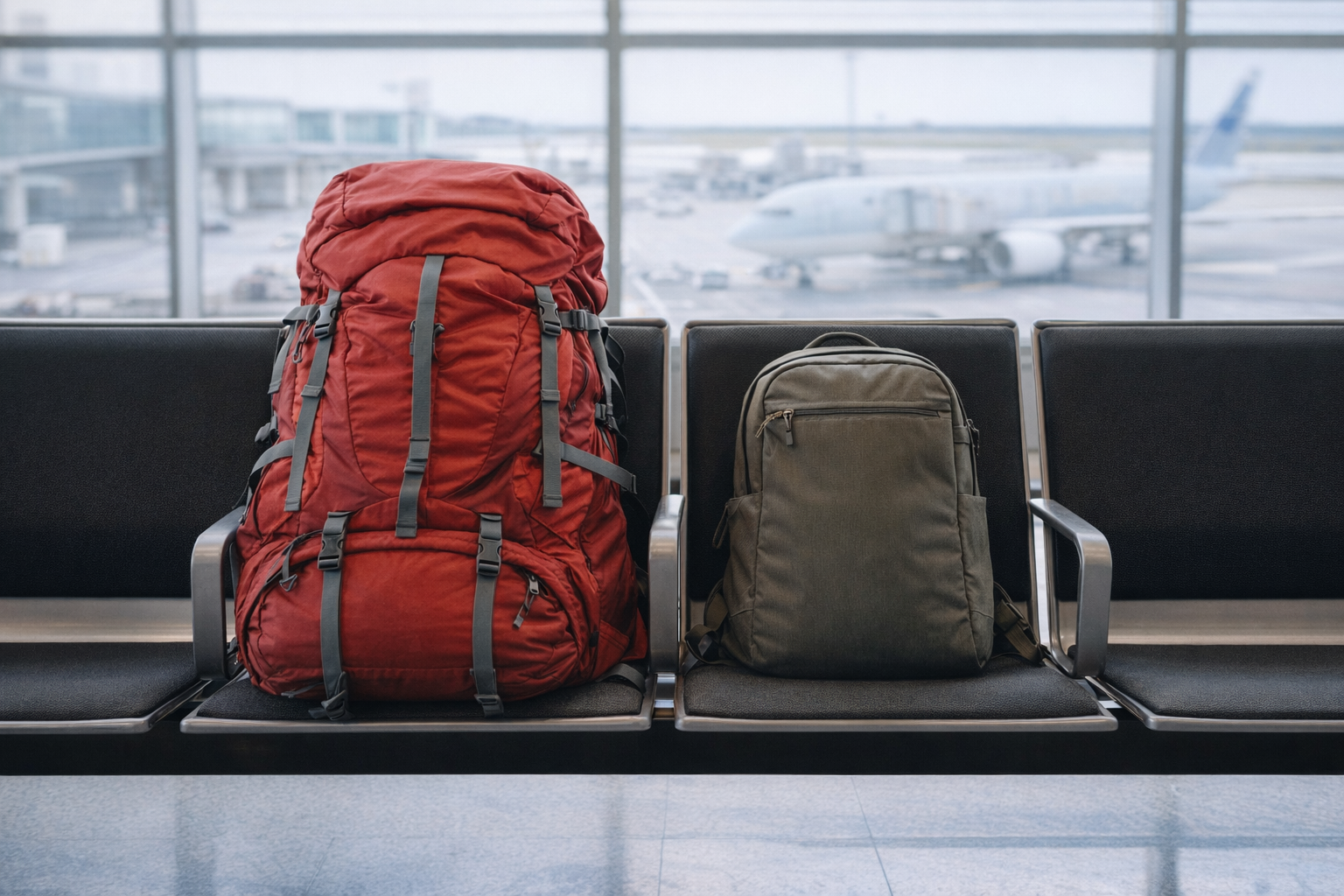
A forty-liter pack with a ventilated back panel handles most multi-day tropical treks. Use dry bags or pack liners to protect your gear — external rain covers help but are not foolproof in sustained downpours. Keep electronics in a waterproof pouch inside the main compartment.
Insect repellent with DEET or picaridin is critical. Apply it to clothing and exposed skin, and reapply after sweating or swimming. A permethrin-treated mosquito net for camp rounds out your protection against malaria and dengue-carrying mosquitoes.
First Aid and Essentials
Tropical first aid kits should include blister treatment, antihistamines for insect stings, oral rehydration salts, and broad-spectrum antibiotics for gastrointestinal issues. A compact headlamp with a red-light mode is essential for early starts and late-night camp tasks without attracting every insect in the canopy.
The tropics reward those who prepare thoughtfully. Every gram matters when the heat is relentless, but cutting corners on the wrong item can turn a trip sideways fast. Build your kit around the conditions, test it before you go, and trust what works.