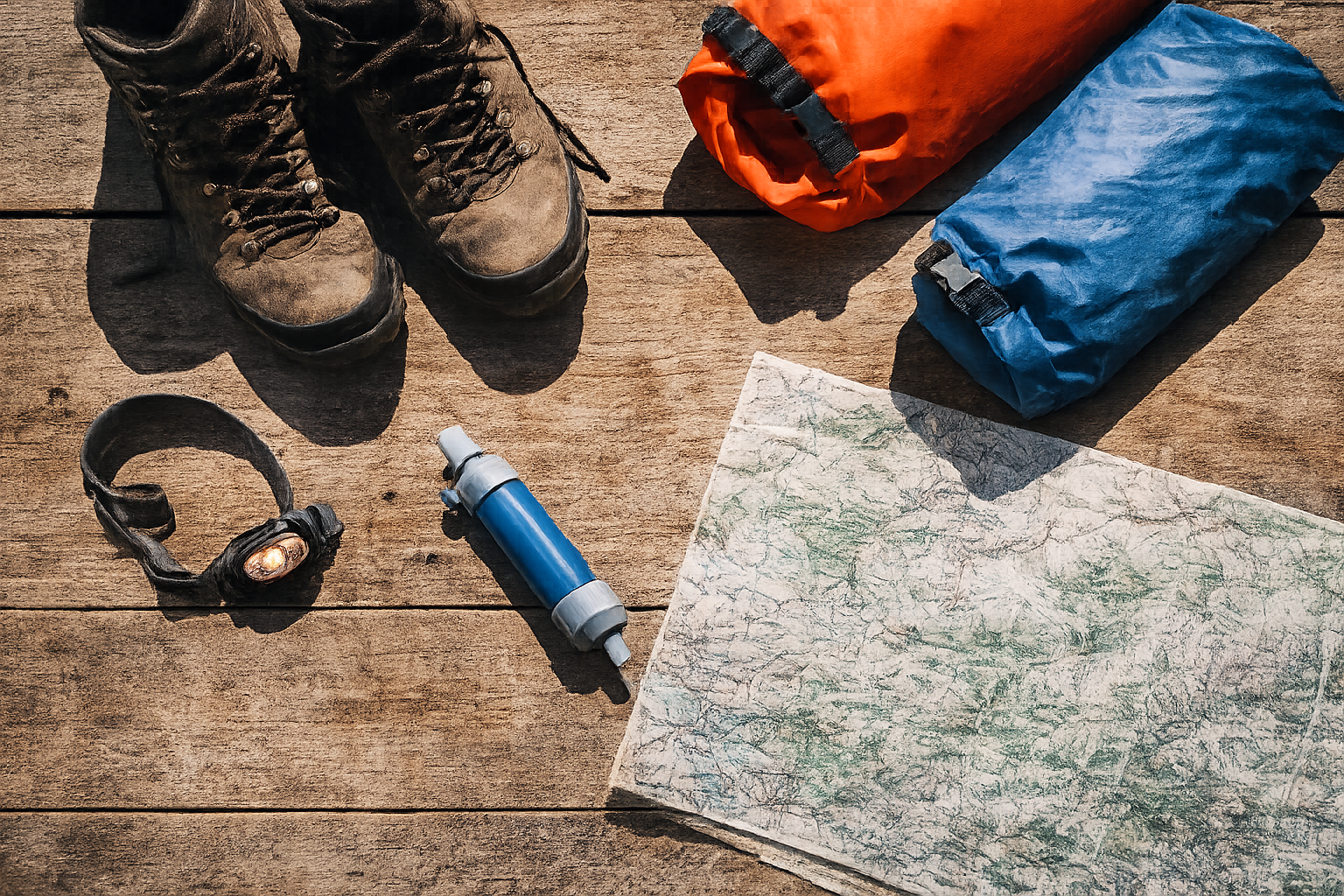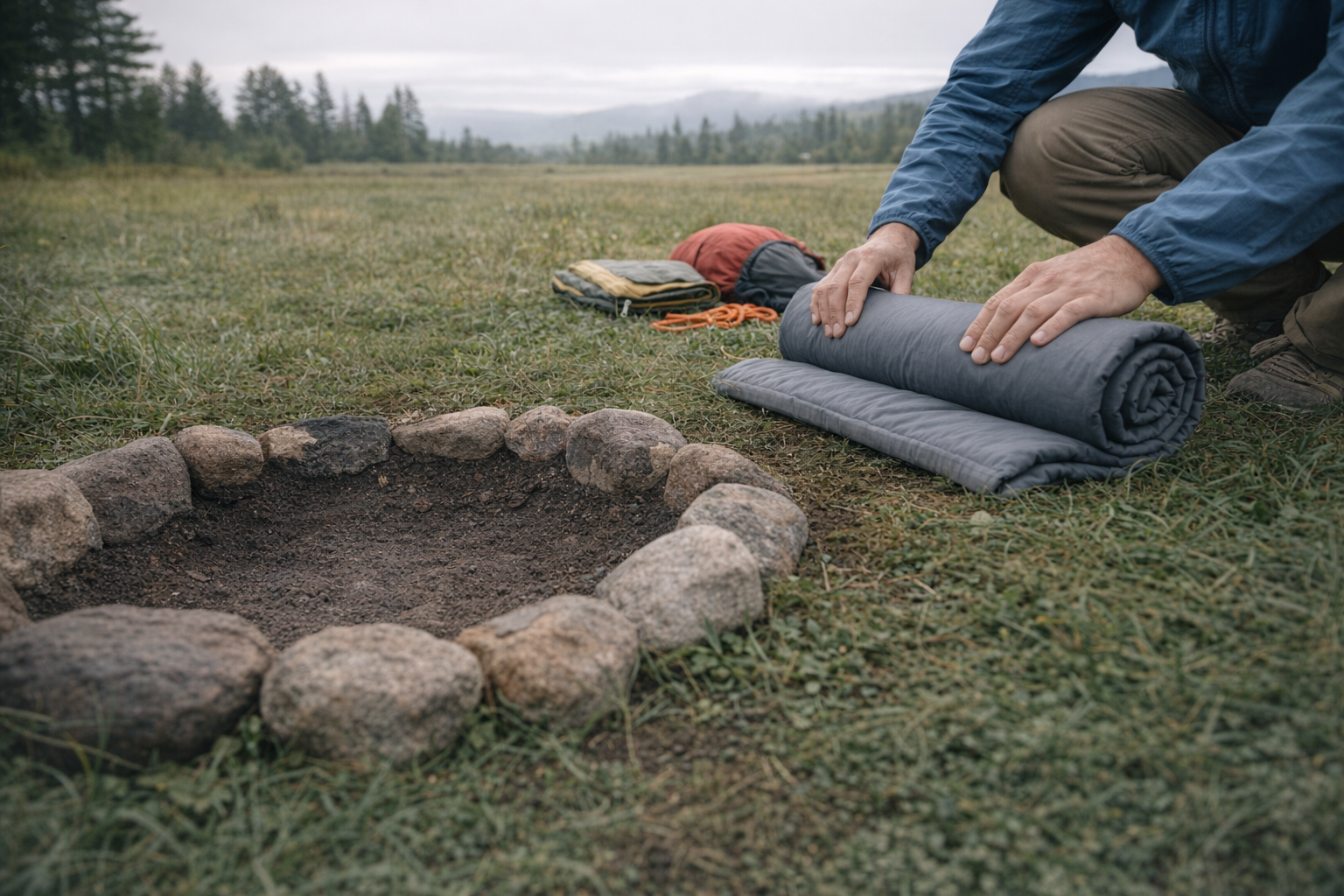
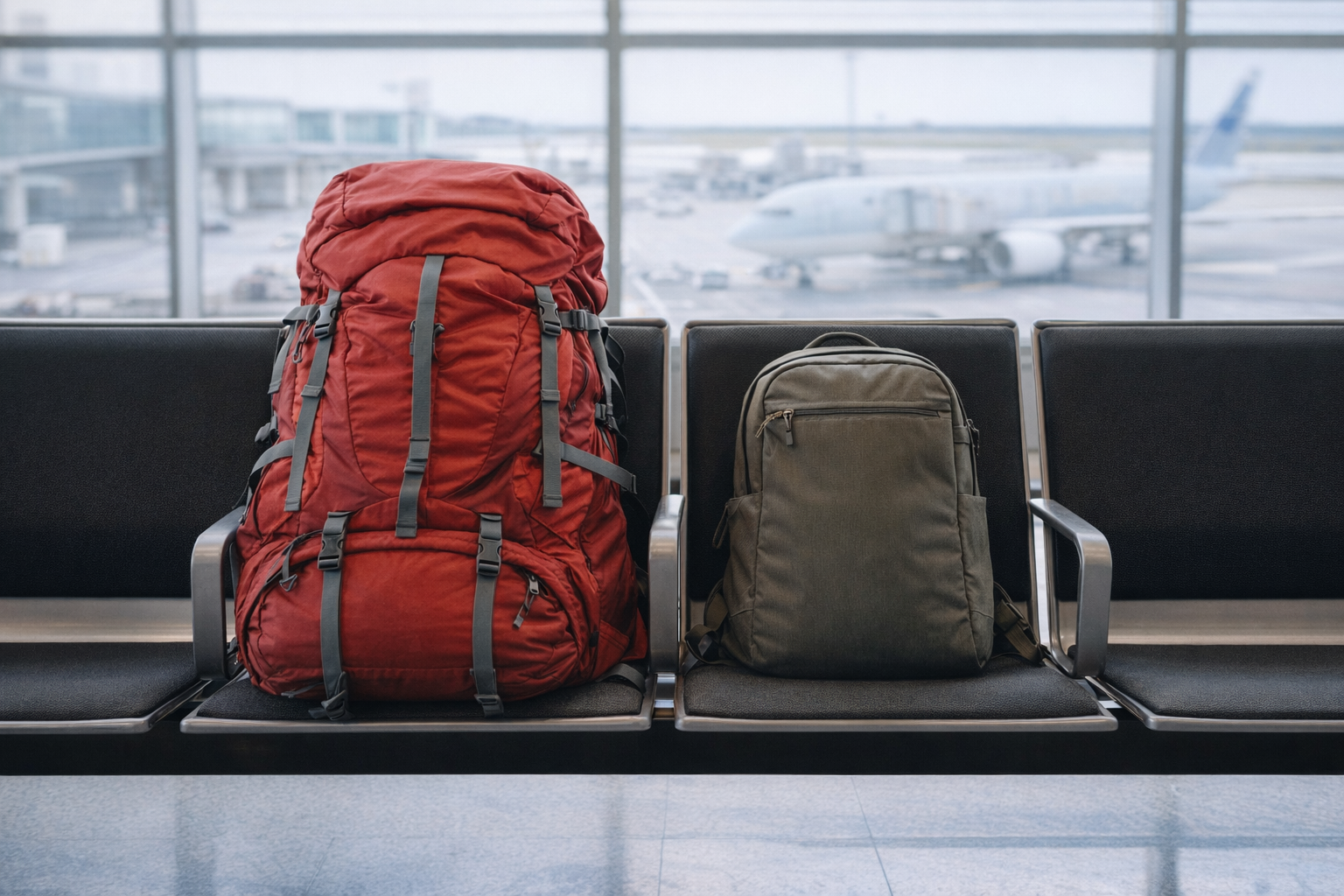
Choosing between lightweight and ultralight gear can make or break a multi-week trek through Southeast Asia. Both approaches aim to reduce pack weight, but they differ in philosophy, cost, and the trade-offs you accept. Understanding the distinction helps you pack smarter — not just lighter.
Defining the Categories
In the backpacking community, lightweight generally means a base weight — everything except food, water, and fuel — under ten kilograms. Ultralight pushes that below five kilograms. The difference sounds small on paper, but in practice it means fundamentally different gear choices. Lightweight hikers carry a traditional pack with a frame, a freestanding tent, and a full-featured sleeping system. Ultralight hikers use frameless packs, tarps or single-wall shelters, and quilts instead of sleeping bags.
For Asia specifically, the calculus shifts because of the climate. You rarely need a cold-weather sleeping bag or heavy insulation layers, which means even a standard kit trends lighter. The question becomes whether the additional savings of going ultralight are worth the comfort trade-offs in heat and humidity.
The Case for Lightweight
A lightweight setup offers reliability and comfort without the obsessive gram-counting of ultralight culture. You get a proper hip belt that transfers weight to your legs, a tent with full bug protection, and a sleeping pad thick enough to smooth out rocky ground. In Southeast Asia, where you might be trekking for days between resupply points, that reliability matters. The growing interest in the slow travel movement has brought better infrastructure to remote trekking regions, but you still cannot count on finding replacement gear in rural Laos or Myanmar.
Lightweight gear also tends to be more durable. The fabrics and materials are thicker, the zippers are more robust, and the construction handles the abrasion of jungle trails better than ultralight alternatives made from gossamer-thin nylon.
The Case for Ultralight
Ultralight packing shines on long-distance routes where every gram compounds over hundreds of kilometers. With a five-kilogram base weight, your total pack with food and water might sit around eight to nine kilograms — light enough to move quickly and comfortably through steep terrain. Your knees and shoulders will thank you at the end of each day.
The ultralight approach also forces a useful discipline: you evaluate every item by whether it earns its place. That mental exercise often reveals how much unnecessary gear most hikers carry out of habit rather than need. Do you really need a full change of camp clothes, or will your hiking clothes dry overnight in tropical air?
Asia-Specific Considerations
Humidity is the wildcard. Ultralight shelters with minimal ventilation can become unbearable in tropical conditions. A tarp with good airflow often outperforms a sealed tent. Similarly, ultralight sleeping quilts work well in the tropics because they eliminate the insulation underneath you — where you do not need it in warm weather — and rely on your sleeping pad for ground insulation.
Water availability varies dramatically across the region. In some areas you can refill every few kilometers; in others, you may need to carry four or more liters. A frameless ultralight pack loaded with that much water loses its ergonomic advantage quickly. Know your route's water sources before committing to a pack without a frame.
Finding Your Balance
Most experienced Asia trekkers land somewhere between the two philosophies. They carry a lightweight pack with a simple frame, a tent with full mesh panels for ventilation and bug protection, and a minimal sleep system suited to warm nights. They trim weight where it costs nothing in comfort — lighter stakes, a smaller first aid kit, a phone instead of a dedicated camera — and keep weight where it counts.
The best approach is the one that lets you enjoy the trail rather than endure it. If shaving two kilograms means sleeping badly or getting eaten alive by mosquitoes, the weight savings are not worth it. Pack for the conditions, test your kit before you fly, and remember that the goal is the experience, not the number on the scale.